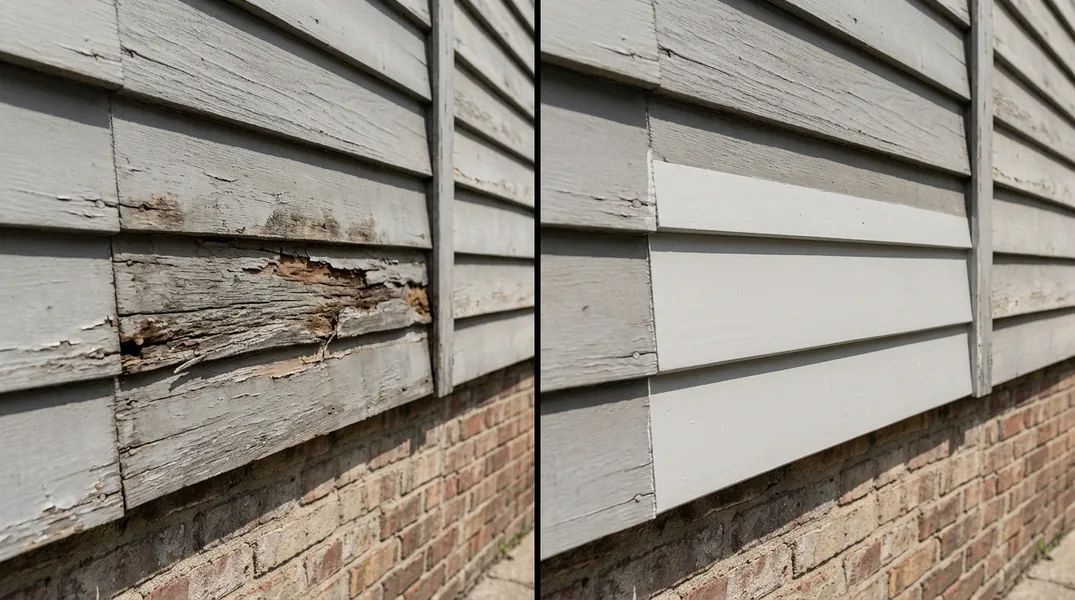
Dry Rot vs Termite Damage: Understanding the Enemy
If you own a home in Louisville, you've probably worried about wood damage at some point. The humid climate and seasonal moisture in our region create perfect conditions for both dry rot and termite infestations. But here's the thing: these two problems look similar on the surface, yet they require completely different solutions. Confusing one for the other could cost you thousands of dollars and put your home's structural integrity at serious risk.
The good news is that once you understand the key differences between dry rot and termite damage, you'll be able to spot trouble early and take action. This guide will walk you through what each problem looks like, how they develop, and what you should do if you find either one in your Louisville home.
What Does Wood Rot Look Like? Identifying Dry Rot in Your Home
Dry rot is caused by a fungus that feeds on the cellulose in wood, breaking it down from the inside out. Despite its name, dry rot actually requires moisture to develop, which is why it thrives in the damp basements, crawl spaces, and attics common to many Louisville homes. When you're looking for signs of dry rot, you're looking for wood that has become soft, spongy, or crumbly to the touch.
The appearance of dry rot is quite distinctive. Affected wood often develops deep cracks that form a cube-like pattern, and the wood itself may darken in color, turning gray, brown, or even black. You might also notice a musty smell coming from the affected area, along with white or grayish fungal growth that looks almost like a cobweb or frost coating the wood. Unlike termite damage, which tends to create clean tunnels through wood, dry rot causes the wood to crumble and lose its structural strength relatively quickly once the fungus takes hold.
One of the most important things to understand about dry rot is that it continues to spread even after the initial moisture source is removed. This is why professional Wood Rot & Dry Rot Repair is so critical. The fungus can travel through wood and even across non-wood materials if conditions are right, making early detection and treatment essential to prevent extensive damage to your home's structure.
Signs of Termite Damage in Wood: What to Look For
Termites are insects that consume wood as food, and they work systematically through the material, leaving a very different kind of damage than dry rot. Termite damage typically appears as long, narrow tunnels running along the grain of the wood, as if something has carved pathways through it. These tunnels are often packed with mud or frass (termite droppings), which gives them a filled-in appearance quite different from the hollow galleries left by some wood-boring beetles.
When examining wood for Termite Damage Repair potential, look for wood that feels hollow when you tap it, even if the surface appears intact. Termites often eat the interior of wood while leaving the outer shell relatively untouched, which means you might not realize the damage is severe until the wood suddenly gives way. You may also notice mud tubes running along foundation walls or between the soil and wood framing, these are highways that termites build to protect themselves from light and air as they travel to food sources.
Unlike dry rot, which creates a crumbly texture and distinctive cube-like cracks, termite damage leaves wood that appears more solid but is actually hollowed out. You might see small holes in the wood surface where termites have emerged, or you could hear a faint clicking sound if you listen closely to heavily infested wood. The key difference is that termites are active and ongoing, meaning the damage is happening right now if they're present in your home.
Key Differences: Moisture, Speed, and Spread
Understanding how dry rot and termite damage develop differently is crucial for choosing the right repair strategy. Dry rot requires consistent moisture to thrive, which is why it's often found in basements, crawl spaces, and areas with poor ventilation or water intrusion. Termites, on the other hand, can survive in drier conditions because they maintain their own moisture levels internally. However, both problems are more common in humid climates like Louisville's, where environmental conditions support their growth and activity.
The speed at which these problems develop is also different. Termite colonies can cause significant structural damage relatively quickly, especially if the infestation goes unnoticed for months or years. A single termite colony can consume a pound of wood per year, and many homes have multiple colonies working simultaneously. Dry rot, while it can spread rapidly once established, typically develops more slowly initially. However, once dry rot becomes active, it can cause severe damage in a matter of months if the moisture problem isn't addressed.
Another critical difference is how these problems spread. Dry rot is a fungal organism that can travel through wood and even across non-wood materials in search of new cellulose to consume. If you have dry rot in one area of your home, it can potentially spread to other areas if conditions remain favorable. Termites, by contrast, are contained to specific colonies and their foraging areas. While a termite colony can certainly expand its territory, it doesn't spread through the wood itself in the same way a fungus does. This distinction matters when you're planning your repair and prevention strategy.
How to Protect Your Louisville Home: Prevention and Early Detection
The best defense against both dry rot and termite damage is prevention combined with early detection. Start by addressing moisture issues in your home, since both problems thrive in damp conditions. Make sure your gutters are clean and directing water away from your foundation, check that your basement and crawl space are properly ventilated, and repair any plumbing leaks as soon as you notice them. In Louisville's climate, where humidity levels can spike, consider using a dehumidifier in basements and crawl spaces to keep moisture levels below 60 percent.
Regular inspections are your second line of defense. Walk around your home's foundation and basement at least twice a year, looking for the signs we discussed earlier. Check wood framing, floor joists, and any exposed wood for soft spots, discoloration, or the telltale mud tubes that indicate termite activity. If you notice anything suspicious, don't wait to get a professional opinion. The cost of early intervention is far less than the cost of extensive structural repairs down the road.
Consider having a professional pest inspection performed annually, especially if your home is older or has a history of moisture issues. Many wood rot and termite problems are caught during these routine inspections before they become major problems. If you do discover damage, whether it's dry rot or termites, contact Louisville Carpentry at (502) 586-4642 for a free estimate. We can assess the extent of the damage and recommend the best repair strategy for your specific situation.
Professional Repair: When to Call the Experts
Once you've identified wood damage in your home, the question becomes whether you can handle repairs yourself or if you need professional help. For minor dry rot or termite damage affecting only a small area of non-structural wood, some homeowners attempt DIY repairs. However, if the damage affects structural elements like floor joists, beams, or load-bearing walls, professional repair is essential for your safety and your home's integrity.
Professional carpenters and structural repair specialists have the expertise to assess how much wood damage has actually occurred, design appropriate repairs, and execute them to code. If you have significant termite damage affecting Floor Joist & Subfloor Repair needs, or if dry rot has compromised structural beams, you may need Beam Replacement & Load-Bearing Wall Removal services. These are complex projects that require proper planning and execution to ensure your home remains safe and structurally sound.
The pricing for wood rot and termite damage repair varies significantly based on the extent of the damage, the location of the problem, and the specific repairs needed. Rather than guessing at costs, get a professional assessment. Louisville Carpentry offers comprehensive evaluations and transparent pricing so you know exactly what you're dealing with and what the repairs will cost. Call (502) 586-4642 today or request a free estimate to get started on protecting your home.
Looking for a professional carpentry contractor in Louisville? Louisville Carpentry responds fast for all your carpentry needs.
Get a Free QuoteOur services: Wood Rot & Dry Rot Repair · Termite Damage Repair · Floor Joist & Subfloor Repair