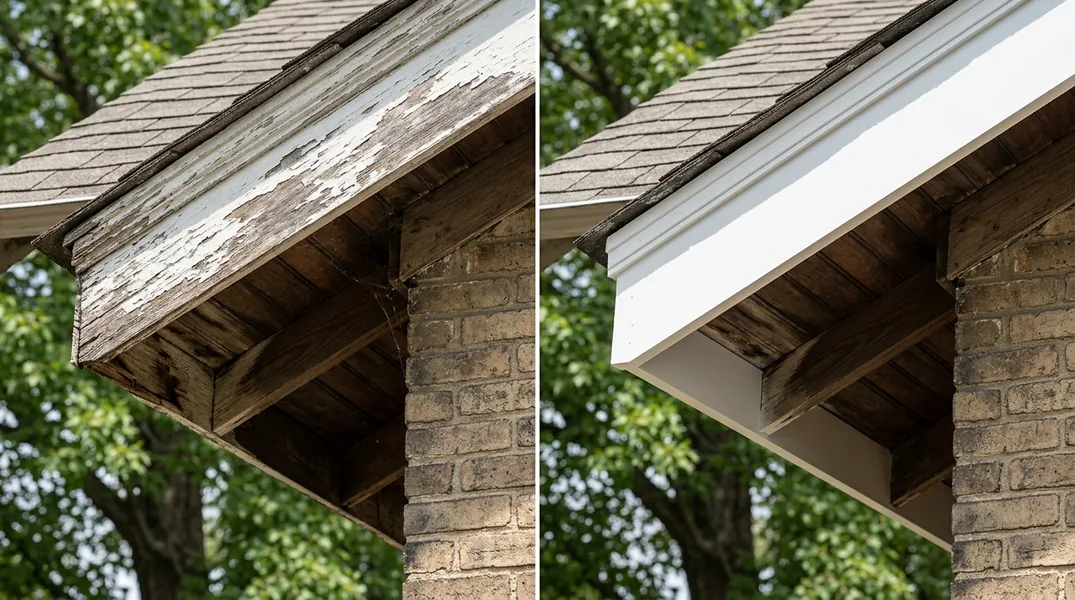
Why Louisville's Historic Homes Face Unique Wood Challenges
If you own a shotgun house or Craftsman bungalow in Louisville, you're living in a piece of architectural history. These homes, built primarily between 1890 and 1930, have character, charm, and solid bones. They also have wood. Lots of it. And after nearly a century or more of exposure to Louisville's humid summers, wet springs, and temperature swings, that wood has earned every weathered mark.
The challenge isn't that your home is old, it's that the materials and construction methods used back then weren't designed with modern moisture control in mind. Shotgun houses, with their narrow lot footprints and long, thin floor plans, often have limited ventilation. Craftsman bungalows, while beautifully detailed, feature exposed wood trim, wooden porches, and siding that absorbs moisture like a sponge. In Louisville's climate, where humidity regularly climbs above 70 percent and rain comes in unpredictable bursts, wood deterioration isn't a question of if but when. Understanding what you're dealing with is the first step toward protecting your investment.
Understanding Wood Rot vs. Dry Rot: What You're Actually Looking At
Most homeowners use the terms interchangeably, but wood rot and dry rot are different problems that require different solutions. Wet rot, the more common culprit in Louisville homes, develops when wood stays damp for extended periods. It's caused by fungi that thrive in moisture and gradually soften and weaken the wood fibers. You'll notice soft, spongy patches, discoloration, and wood that feels mushy when you press it. Wet rot usually stays localized to the affected area and doesn't spread as aggressively as its cousin.
Dry rot, despite its name, also requires moisture to start but is far more destructive. It spreads rapidly through wood, even to areas that appear dry, and can travel through masonry and plaster to infect framing members you can't see. Dry rot creates a distinctive cubical cracking pattern and a musty, earthy smell. If you suspect dry rot in your historic home, you need professional assessment immediately. This is where Wood Rot & Dry Rot Repair becomes essential. The longer you wait, the more structural damage spreads, and the more expensive the repair becomes.
The honest truth is that many homeowners don't notice rot until it's advanced. By the time you see soft wood on a porch beam or notice that the exterior trim is spongy, the damage extends deeper than what's visible. This is why regular inspections, especially after heavy rain or during damp seasons, are your best defense.
Common Problem Areas in Shotgun Houses and Bungalows
Certain parts of older Louisville homes rot first because they're exposed to the most moisture and stress. Front porches are notorious trouble spots. These structures extend outward, collecting rain and snow, and the wood framing underneath bears constant weight while absorbing moisture from below and rain from above. If your porch flooring feels soft or bounces underfoot, the substructure likely needs attention. Similarly, the columns and railings that define a Craftsman bungalow's character are often the first casualties because they're unprotected and highly visible to weather.
Window sills and door frames rot because water runs down glass and collects at the junction between wood and masonry. Eaves and soffits, especially those with inadequate gutters or clogged downspouts, become saturated and develop rot that spreads into the rafter tails and fascia boards. Basement sills and rim joists, where wood meets concrete foundations, are perpetually damp in older homes without modern vapor barriers. The wood framing that supports your floors, particularly Floor Joist & Subfloor Repair situations, often shows rot long before you realize the structural integrity is compromised. Walk your basement or crawlspace with a flashlight and a screwdriver. If the screwdriver sinks easily into wood, you've found rot.
Prevention: The Honest Approach to Maintaining Historic Wood
You cannot stop wood from aging, but you can dramatically slow deterioration with consistent maintenance. The fundamentals are simple but require discipline. Keep gutters clean and ensure downspouts direct water at least four feet away from your foundation. Paint and seal exterior wood every five to seven years, not because it looks nice (though it does) but because the finish is your wood's primary defense against moisture penetration. When you see paint peeling or caulk failing, address it immediately rather than waiting for the next scheduled refresh.
Improve ventilation wherever possible. If your crawlspace or basement feels damp, install or upgrade vents. Consider a vapor barrier if you don't have one. Fix roof leaks promptly, even small ones. Trim tree branches that hang over your roof and shade it, because shade prevents sun from drying out wet wood. Ensure your home's grading slopes away from the foundation so water doesn't pool against your walls. These aren't glamorous upgrades, but they're the difference between a home that lasts another century and one that requires major structural work within twenty years.
For shotgun houses specifically, improving air circulation inside and under the home pays dividends. For Craftsman bungalows, pay special attention to those beautiful exposed wood details. They need more frequent maintenance than hidden framing because they're constantly exposed. This isn't a complaint about the architectural style, just a reality of ownership.
When to Call a Professional: Wood Rot & Dry Rot Repair Near Me
You can handle some wood maintenance yourself, but structural rot repair is not a DIY project. If you've discovered soft wood in a load-bearing beam, floor joist, or column, or if you suspect dry rot, call a professional carpenter who understands historic homes. Wood Rot & Dry Rot Repair in Louisville requires expertise in both diagnosis and repair. A skilled carpenter will determine the extent of damage, identify the moisture source, recommend repairs, and help you prevent recurrence.
Louisville Carpentry specializes in exactly this work. We understand the construction methods and materials used in shotgun houses and Craftsman bungalows. We can assess whether a beam needs replacement, whether Termite Damage Repair is also needed, or whether the issue is primarily moisture-related. We also help you understand the repair options and their costs so you can make informed decisions about your home. If structural elements are compromised, we can handle Beam Replacement & Load-Bearing Wall Removal safely and correctly.
Don't let rot sit. The longer you wait, the more wood deteriorates and the more expensive the fix becomes. A small area of rot caught early might cost a few hundred dollars to repair. The same problem left for two years could require thousands in structural work.
Wood Rot & Dry Rot Repair Cost in Louisville: What to Budget
Repair costs vary dramatically based on the extent of damage, the location of the rot, and whether structural elements are involved. A small area of wet rot in exterior trim might run five hundred to fifteen hundred dollars. Rot in a porch floor that requires substructure replacement could be two thousand to five thousand dollars. Dry rot or extensive structural damage involving beams or joists can easily exceed ten thousand dollars. The honest answer is that you need a professional inspection to get accurate pricing for your specific situation.
What we recommend is getting ahead of the problem. Invest in maintenance now, and you'll avoid catastrophic repairs later. A few hundred dollars spent on gutter cleaning, caulking, and paint every few years is far cheaper than replacing floor joists or repairing a collapsed porch. If you're already seeing signs of rot, contact Louisville Carpentry for a free estimate. We'll assess the damage, explain what needs to happen, and give you honest pricing. Call us at (502) 586-4642 to schedule your inspection.
Looking for a professional carpentry contractor in Louisville? Louisville Carpentry responds fast for all your carpentry needs.
Get a Free QuoteOur services: Wood Rot & Dry Rot Repair · Termite Damage Repair · Floor Joist & Subfloor Repair