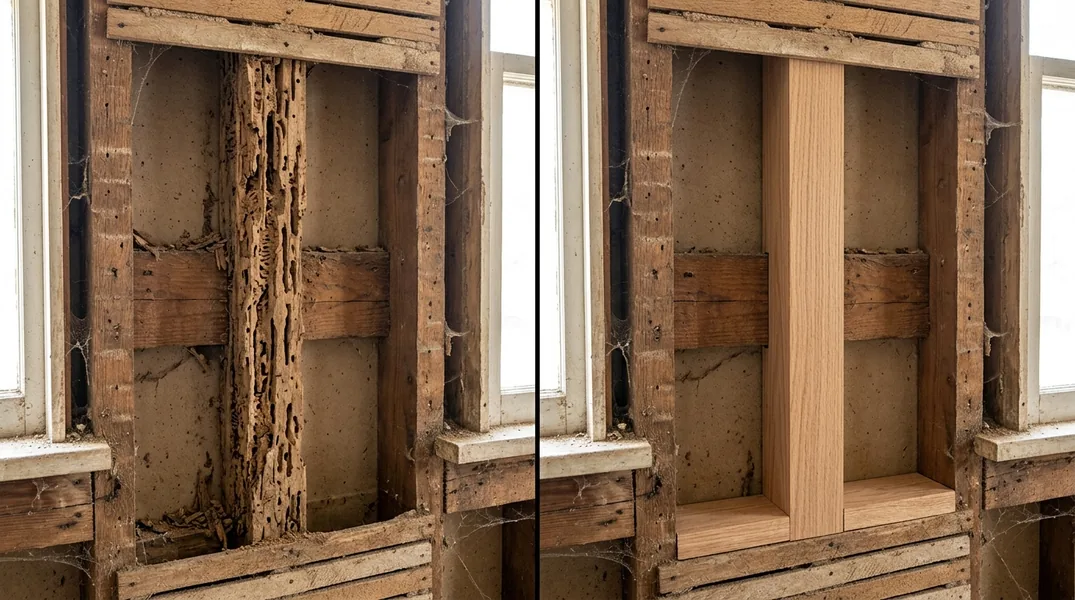
Why Louisville Homes Are Vulnerable to Wood Rot and Termite Damage
Louisville homeowners face a unique challenge when it comes to protecting their properties from wood damage. The region's climate, combined with the age of many local homes, creates a perfect storm for wood rot and termite infestations. Understanding why your home is at risk is the first step toward prevention and early intervention.
The culprit is largely environmental. Louisville experiences hot, humid summers and moderate winters, with annual rainfall averaging around 50 inches. This moisture-rich environment is exactly what wood-destroying organisms need to thrive. Wood rot fungi require moisture, warmth, and oxygen to grow, and our local climate provides all three in abundance. Similarly, termites flourish in humid conditions and are active year-round in Kentucky, unlike in colder northern states where they may go dormant during winter.
Additionally, many homes in Louisville were built 50, 75, or even over 100 years ago. While these older homes have character and charm, they often lack modern moisture barriers, proper ventilation, and preventative treatments that newer construction includes. Foundation cracks, poorly sealed crawl spaces, and aging wood members make these properties especially susceptible to both wood rot and termite damage.
Signs of Termite Damage You Shouldn't Ignore
Early detection is critical when it comes to termite infestations. The longer termites go unnoticed, the more structural damage they can cause, and the more expensive repairs become. Homeowners should regularly inspect their properties for common signs of termite damage that may indicate an active or past infestation.
One of the most obvious indicators is the presence of mud tubes on foundation walls, crawl space joists, or other wooden structures. These pencil-thin tubes are highways that termites build to travel between their colony and food sources while staying protected from light and dry air. You might also notice discarded termite wings near windowsills or doors, especially during swarming season in spring and early summer. If you tap on wooden beams or wall studs and they sound hollow, or if you notice wood that feels soft or spongy when you press on it, these are red flags that termites have been feeding inside.
Another telltale sign is the presence of termite droppings, which look like tiny grains of sand or sawdust near wooden areas. Some homeowners also report a musty odor coming from walls or crawl spaces, which can indicate both termite activity and the wood rot that often accompanies it. If you spot any of these signs of termite damage, contact a professional immediately for an inspection. The sooner you act, the sooner you can prevent further structural compromise.
Understanding Wood Rot and Dry Rot: Two Different Problems
Wood Rot & Dry Rot Repair are often mentioned together, but they are distinct problems that require different approaches. Understanding the difference helps homeowners communicate more effectively with contractors and recognize the severity of damage in their own homes.
Wood rot, also called wet rot, occurs when moisture penetrates wood and fungal spores begin to decompose the wood fibers. This typically happens in areas with poor drainage, high humidity, or direct water exposure. Wet rot tends to be localized to the areas where moisture is present. You might notice discolored wood, soft spots, or wood that crumbles when touched. The smell is often earthy and musty. Wet rot is the more common type of wood rot found in Louisville homes due to our humid climate and the prevalence of moisture-related issues.
Dry rot, on the other hand, is a specific type of fungus (Serpula lacrymans) that can spread rapidly through wood even when moisture levels seem normal. It's called dry rot because the wood becomes desiccated and brittle as the fungus consumes it, but the fungus itself still requires some moisture to thrive. Dry rot is particularly dangerous because it can spread across large areas quickly and is harder to detect in its early stages. Both conditions require professional Wood Rot & Dry Rot Repair to prevent catastrophic structural failure.
How Wood Rot Affects Your Home's Structure
Wood rot doesn't just damage the surface of your home; it compromises the structural integrity of the entire building. When left untreated, wood rot can weaken floor joists, support beams, wall studs, and roof framing. This can lead to sagging floors, cracked drywall, doors and windows that no longer close properly, and in severe cases, partial collapse of interior or exterior structures.
One of the most common areas where homeowners encounter serious structural problems is in the basement or crawl space, where moisture is most likely to accumulate. Rotted floor joists lose their load-bearing capacity, which can cause upper floors to sag or become unstable. If you notice that your hardwood floors feel bouncy or uneven, or if you see visible sagging in your basement ceiling, you may need Floor Joist & Subfloor Repair. In more severe cases involving main support beams, you might require Beam Replacement & Load-Bearing Wall Removal performed by experienced structural carpenters.
The cost of ignoring wood rot extends beyond the repair bill. Insurance companies may deny claims if they determine that damage resulted from neglect or lack of maintenance. Additionally, wood rot can dramatically reduce your home's resale value and may prevent a home sale altogether if a buyer's inspector discovers untreated rot during the inspection process. This is why acting quickly when you spot signs of wood damage is not just about safety; it's about protecting your investment.
Wood Rot & Dry Rot Repair Near Me: When to Call a Professional
If you suspect wood rot or termite damage in your home, the question is not whether to call a professional, but how soon. While small surface-level rot might seem like a DIY project, the vast majority of wood rot and termite damage requires professional assessment and repair. A qualified contractor can determine the extent of the damage, identify the moisture source, and recommend the best course of action.
When you contact Louisville Carpentry for Wood Rot & Dry Rot Repair, our team will conduct a thorough inspection of the affected areas and any surrounding wood that may be at risk. We'll use moisture meters and other diagnostic tools to identify hidden damage and moisture sources. This detailed assessment allows us to provide you with an accurate scope of work and realistic timeline for repairs. We serve the entire Louisville area, including surrounding communities, and we're committed to helping homeowners address these issues before they become catastrophic.
Professional repair typically involves removing the damaged wood, treating the area to prevent future fungal growth, addressing the underlying moisture problem, and replacing the wood with new material that meets current building codes. For termite damage, we may also recommend preventative treatments and ongoing monitoring to ensure the infestation doesn't return. Don't wait until your home becomes unsafe. If you've noticed any signs of termite damage or suspect wood rot, reach out to us today for a free estimate or call (502) 586-4642.
Prevention Strategies to Protect Your Louisville Home
While you can't change Louisville's climate, you can take proactive steps to minimize the risk of wood rot and termite damage. Prevention is always more cost-effective than repair, and even small improvements to your home's moisture management can make a significant difference over time.
Start by addressing drainage around your home's foundation. Make sure gutters and downspouts are clean and direct water at least 4 to 6 feet away from the foundation. Grade your landscaping so that water slopes away from the house rather than toward it. Inside, ensure that your crawl space or basement has adequate ventilation and consider installing a vapor barrier if one isn't already present. Fix any plumbing leaks promptly, as even small drips can create the moist environment that fungi and termites need to thrive. Seal cracks in your foundation and around windows and doors to prevent water intrusion.
Additionally, have your home inspected annually by a professional who can spot early signs of wood damage or pest activity. Many pest control companies offer termite inspections as part of their regular service. If you notice any concerns, address them immediately rather than hoping they'll go away. Regular maintenance, prompt repairs, and professional inspections form the best defense against the wood-destroying pests and fungi that thrive in our region. If you'd like expert advice on protecting your home or need professional repairs, contact Louisville Carpentry at (502) 586-4642 or request a free estimate today.
Looking for a professional carpentry contractor in Louisville? Louisville Carpentry responds fast for all your carpentry needs.
Get a Free QuoteOur services: Wood Rot & Dry Rot Repair · Termite Damage Repair · Floor Joist & Subfloor Repair